
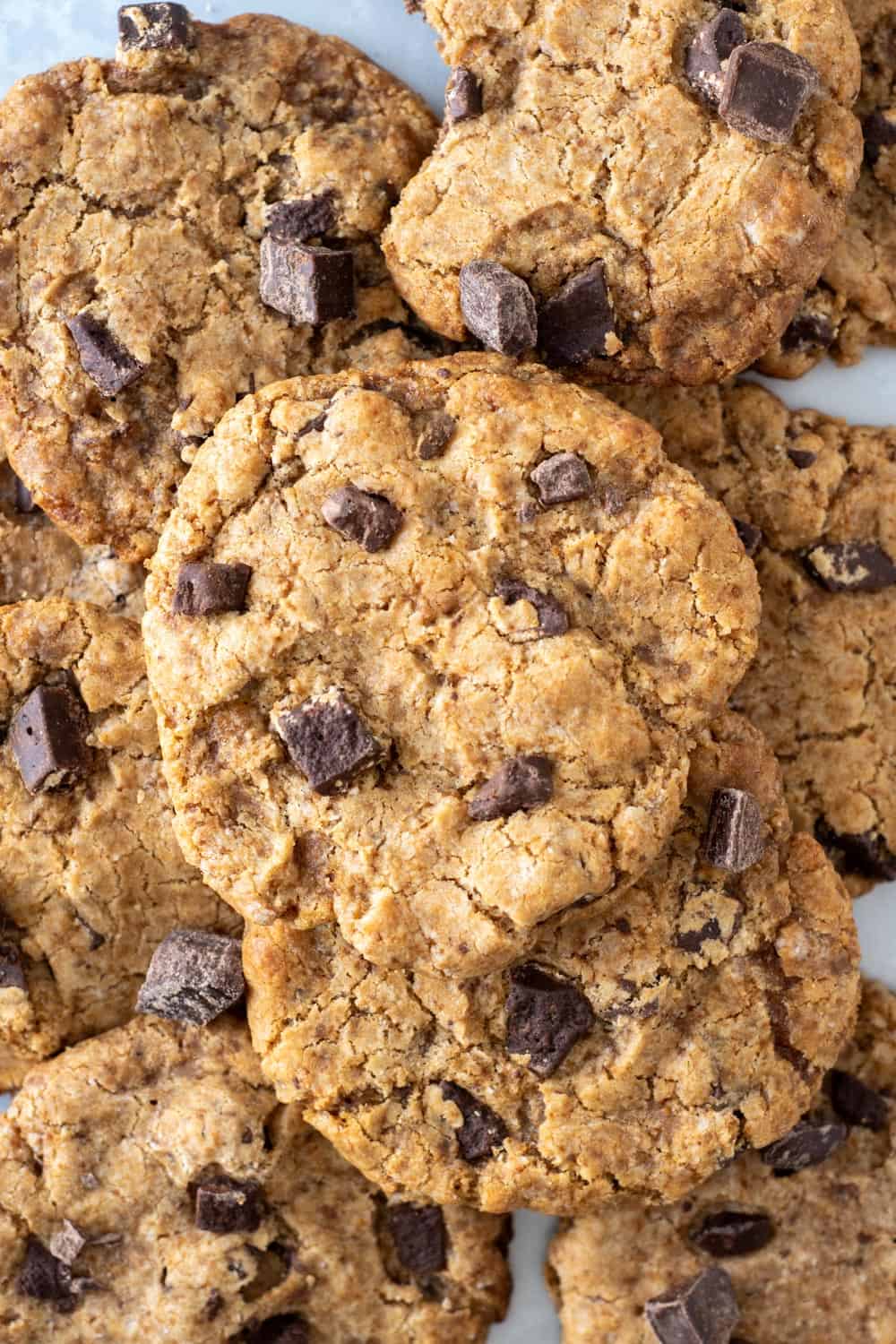
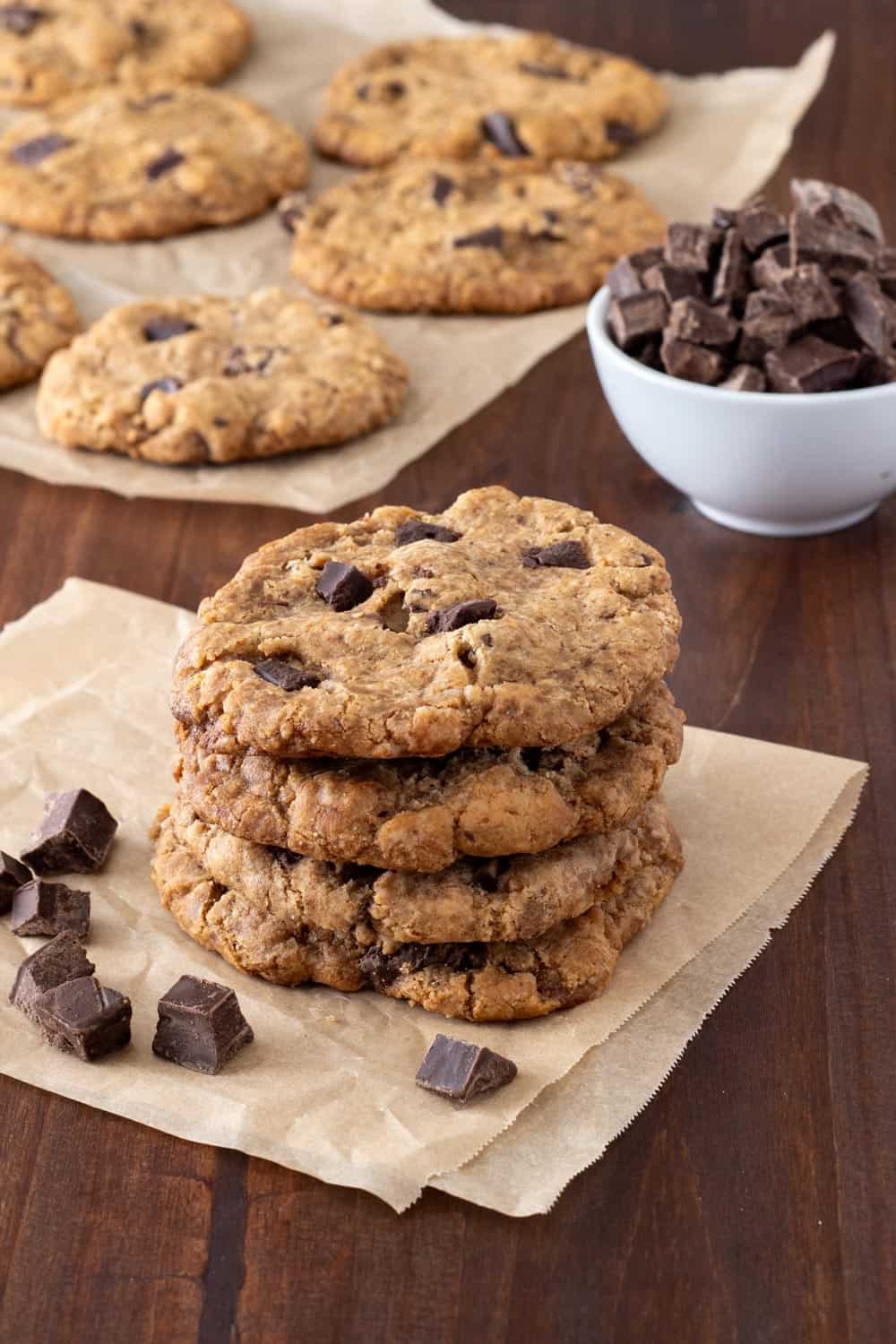
Paleo AIP Chocolate Chip Cookies! Chewy, soft, and made only with AIP pantry staples so you can eat a damn cookie when you want!
AIP baking is precise, humbling business.
Health supportive cooking experience and culinary degree aside, I've eaten my share of dry, crumbly, wet, no-good cookies. Like a Phoenix rising from the ashes of these expensive cookie fails, there was this one recipe with a coconut-tapioca mixture that I kept resurfacing.
For months I tinkered to get it just right. I'm talking caramelly goodness, crisp edges, a slight chew, and thick, soft centers. My favorite discovery about these cookies, besides the coconut-maple ratios, is actually the carob chunks (which I conveniently make too many of for this recipe so there's always a stash in the freezer).
In This Post: Everything you Need For These Cookies
Jump to:
Homemade vs. Store-bought Carob Chips
Carob is as close as we get to chocolate on the AIP diet; it has a similar flavor to chocolate but is sweeter and less bitter, so you may find these cookies could benefit from a smidge of salt or consider serving them alongside a bitter cup of chicory coffee. For the carob chunks, I recommend making your own from carob powder.
Don't get me wrong, carob chips are wonderful but they do contain lecithin which is not AIP. By all means use whatever carob or chocolate chips you love in this recipe!
Troubleshooting Carob Problems
As noted, ready-made carob chips often list soy or sunflower lecithin...
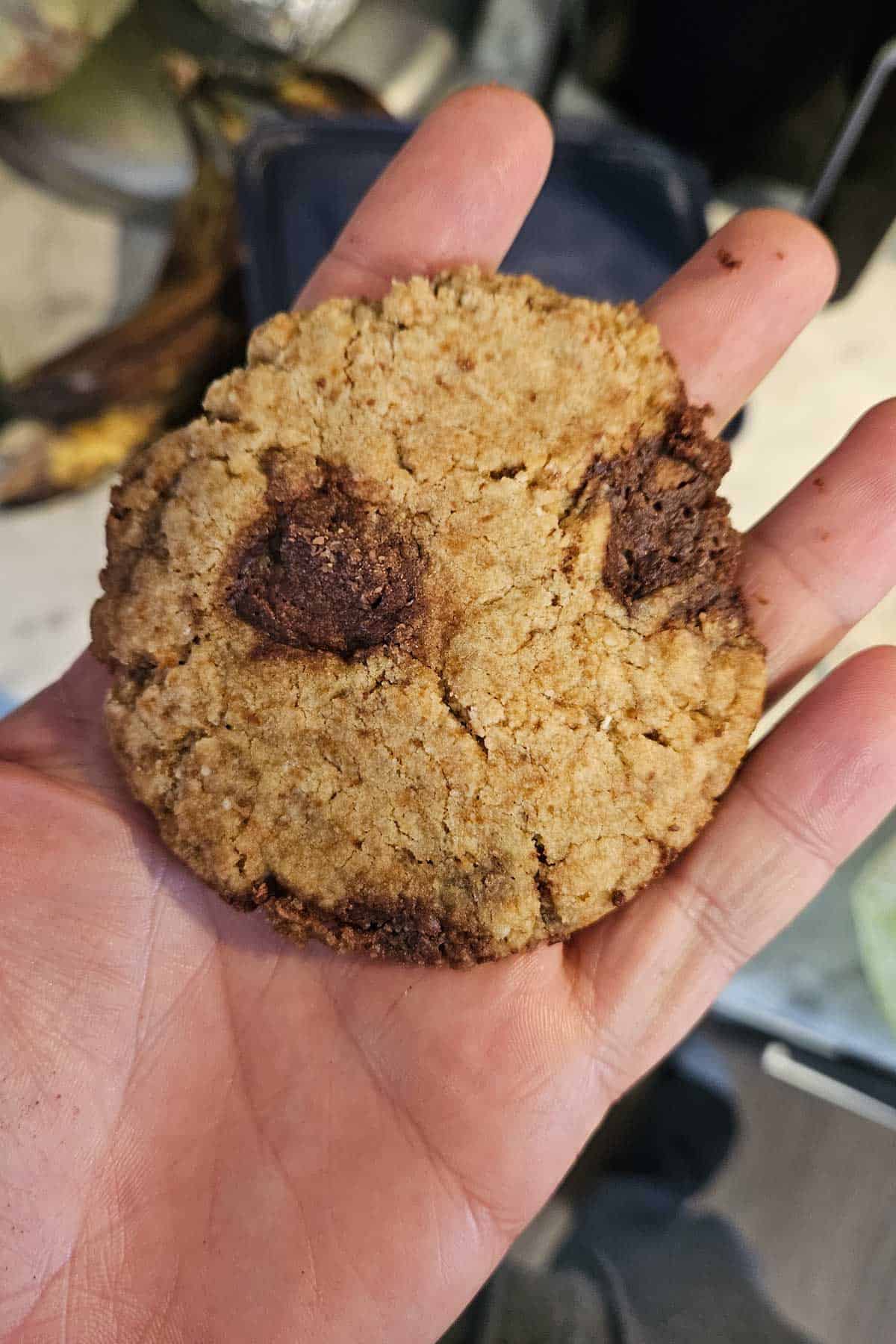
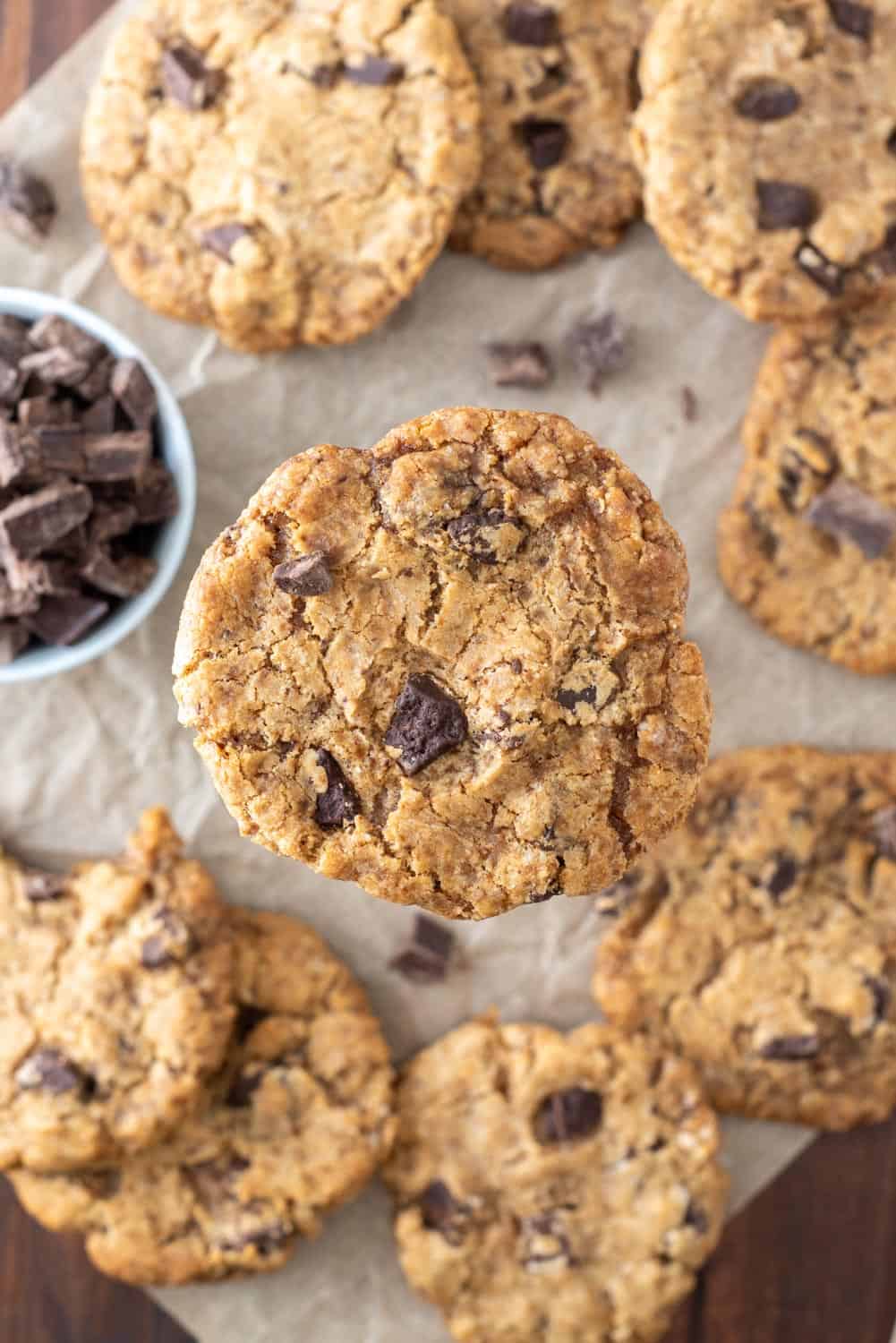
And...guess who now knows why that ingredient is in there? As I've learned, the lecithin helps prevent the chips from melting too quickly, drying up, and scorching. The work-around? Use homemade carob chunks from frozen and add extra chips to top the cookies when they're hot out of the oven. Voila.
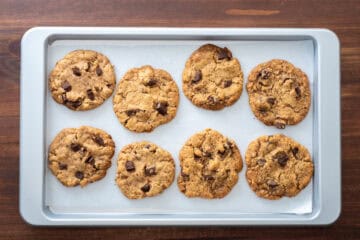
If you don't, your cookies will still taste great but will look like this:
Compared to this:
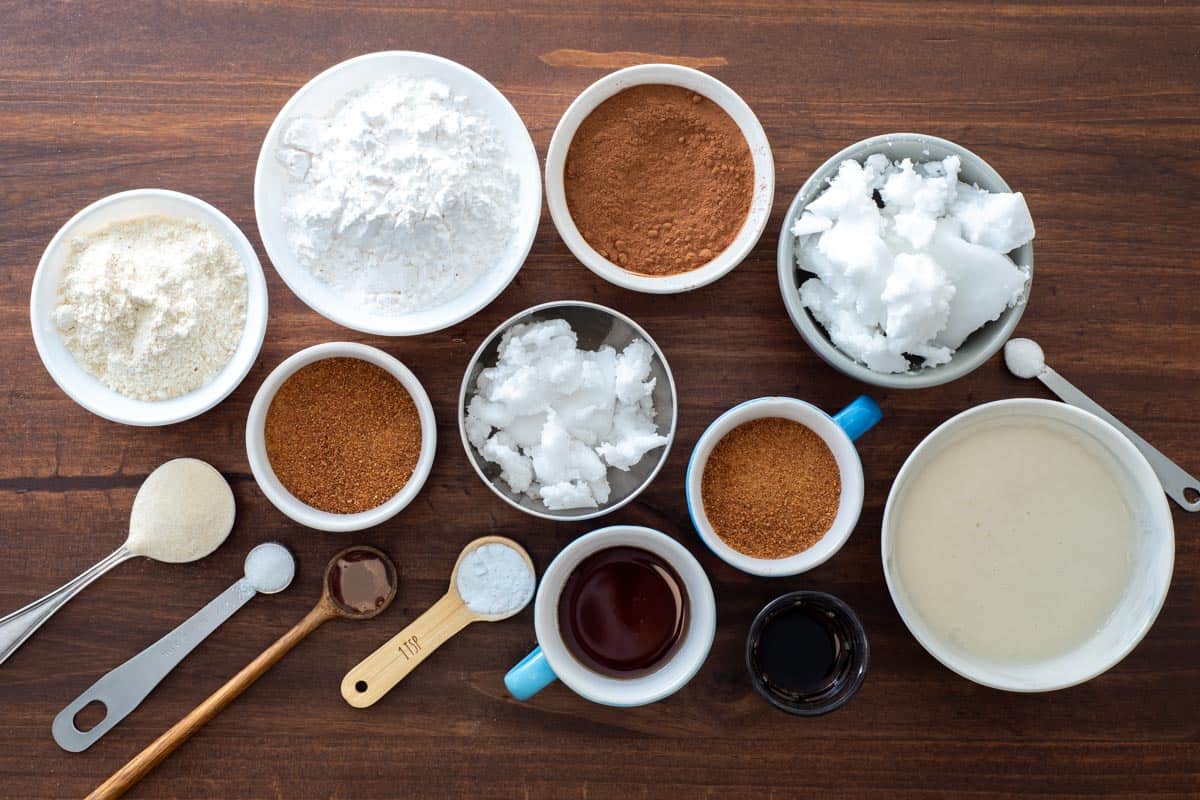
🍪Ingredients
To make these bakery-esque gems happen, you'll have to gather up (and measure/weigh) some pantry staples. Anything you don't have, just think of as a practical AIP ingredient for a well-stocked pantry (because let's face it, you'll be making these again!).
- Cookie Dough Ingredients: tapioca flour also labeled "tapioca starch" not the same as cassava flour, coconut flour (very unique highly fibrous, highly absorbent flour and can't be replaced), sea salt or Himalayan pink salt, baking soda (must be fresh to work), coconut oil or palm shortening both work relatively similarly, maple syrup (really important as it provides a lot of the chew and balances out the intensity of the coconut sugar), pure vanilla extract (the good stuff), and gelatin (the powdered kind, not the sheets).
- Carob Chip/Chunk Ingredients: palm shortening works best here but refined coconut oil works almost as well (unrefined works, too, it just has a coconut taste), coconut butter (this has no substitute), coconut sugar or maple sugar work equally well with the latter melting better, carob powder, pure vanilla extract (the good stuff), sea salt or Himalayan pink salt
💭Top Tip
There's powdered gelatin in the cookie dough as an egg replacer. It's really important that you add it into the dry mixture and whisk well before combining with the wet ingredient mixture.
How to Make AIP Cookies (Snapshot)
Time needed: 40 minutes
As mentioned, these are as unforgiving as any AIP cookie. They don't spread much and have to be shaped and baked within 1-minute of doneness or else the carob is very prone to burning.
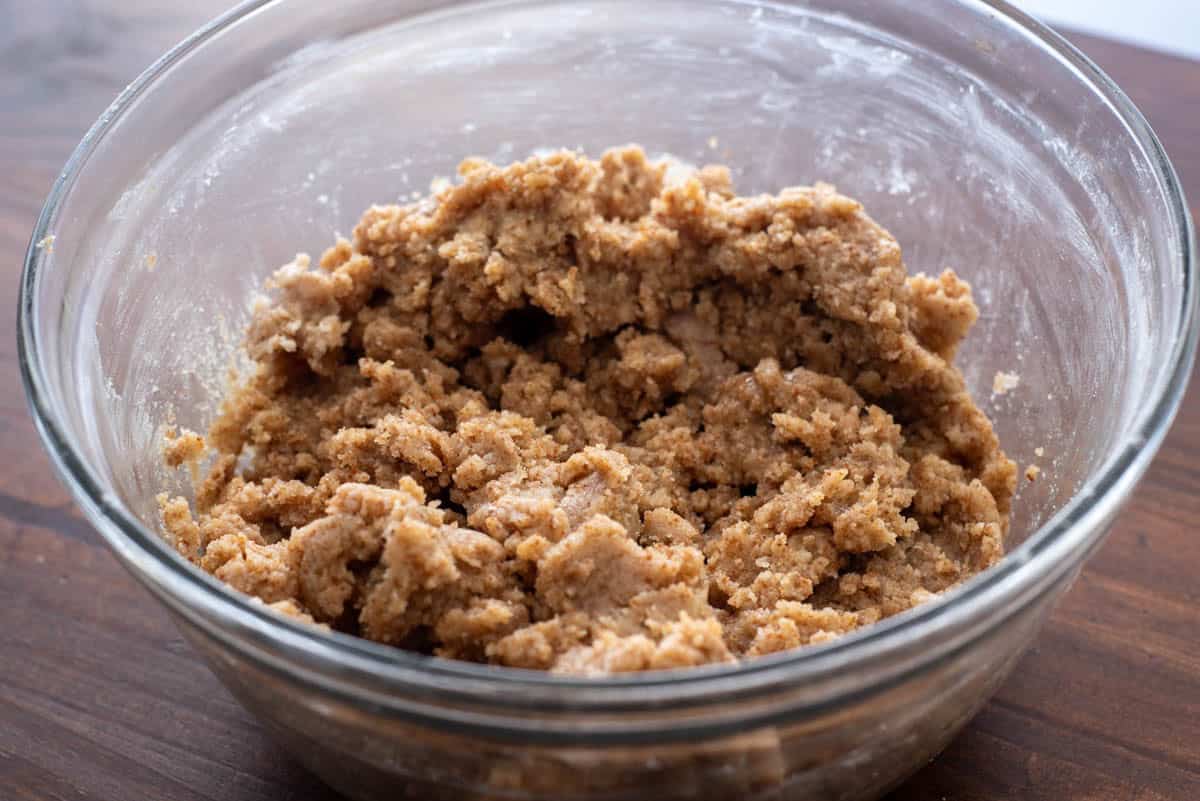
- Make the dough.
You'll mix the dry ingredients in one bowl. In a pot on the stove, you'll melt the coconut oil/palm oil and then add the maple syrup and vanilla extract. Combine the wet and dry mixtures to form a crumbly dough. Bag it and refrigerate to cool for a bit.

- Let the dough chill. Meanwhile, make the carob chunks.
Your dough needs to be cool before you add the carob chunks so they don't melt. Once the dough is cool, add half of your carob chunks (from frozen) and reserve the remaining carob chunks for topping the cookies hot out of the oven.

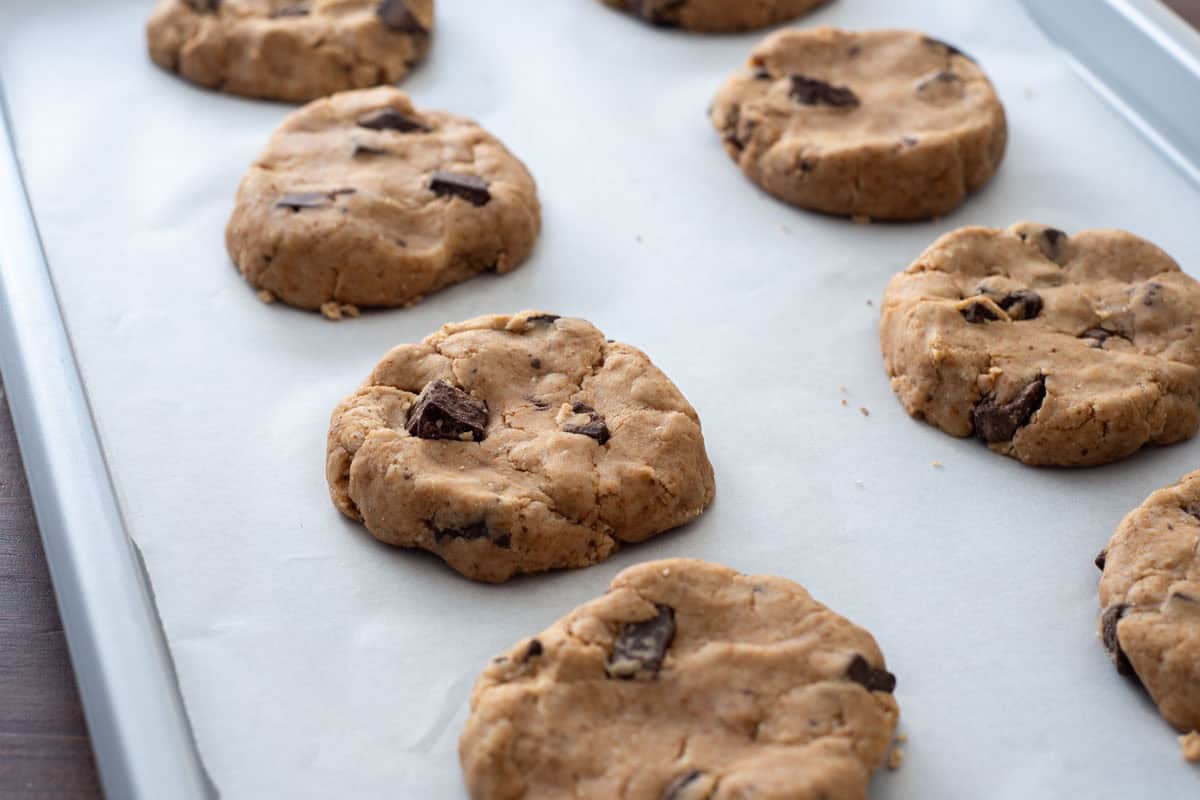
- Shape and bake!
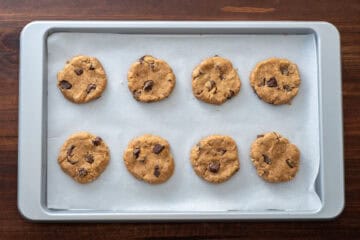
Since these don't spread much, you will be flattening the dough into disks (see below).
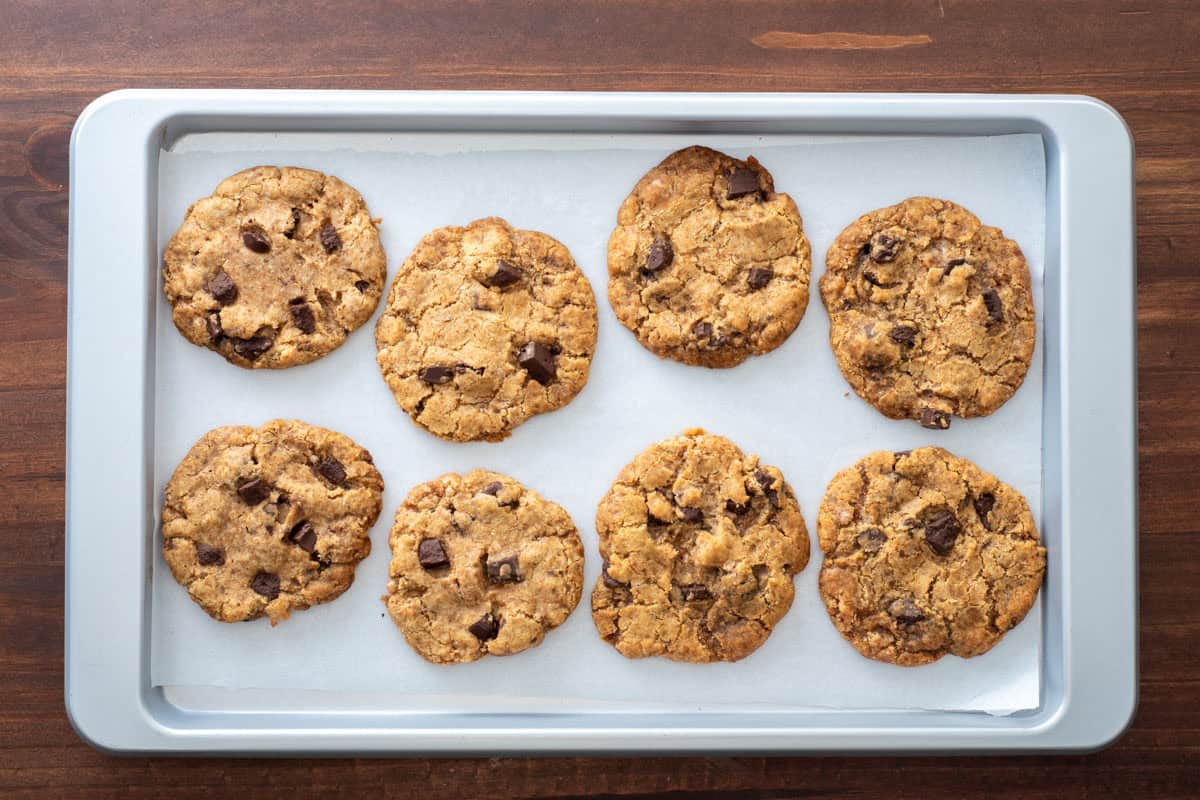
- Top with extra carob chunks and let rest.
Don't be mad, but the texture really improves if you allow the cookies to cool.

📋 Source notes: I was first inspired to make this carob chip cookie after searching for AIP carob chips online. I found this cookie recipe from Tonja formerly "Flame to Fork," which I adapted to create a chewier texture. I also did extensive testing on how to shape and use the carob chunks and offer lots of tips as well as ingredient weights to help you replicate my results.
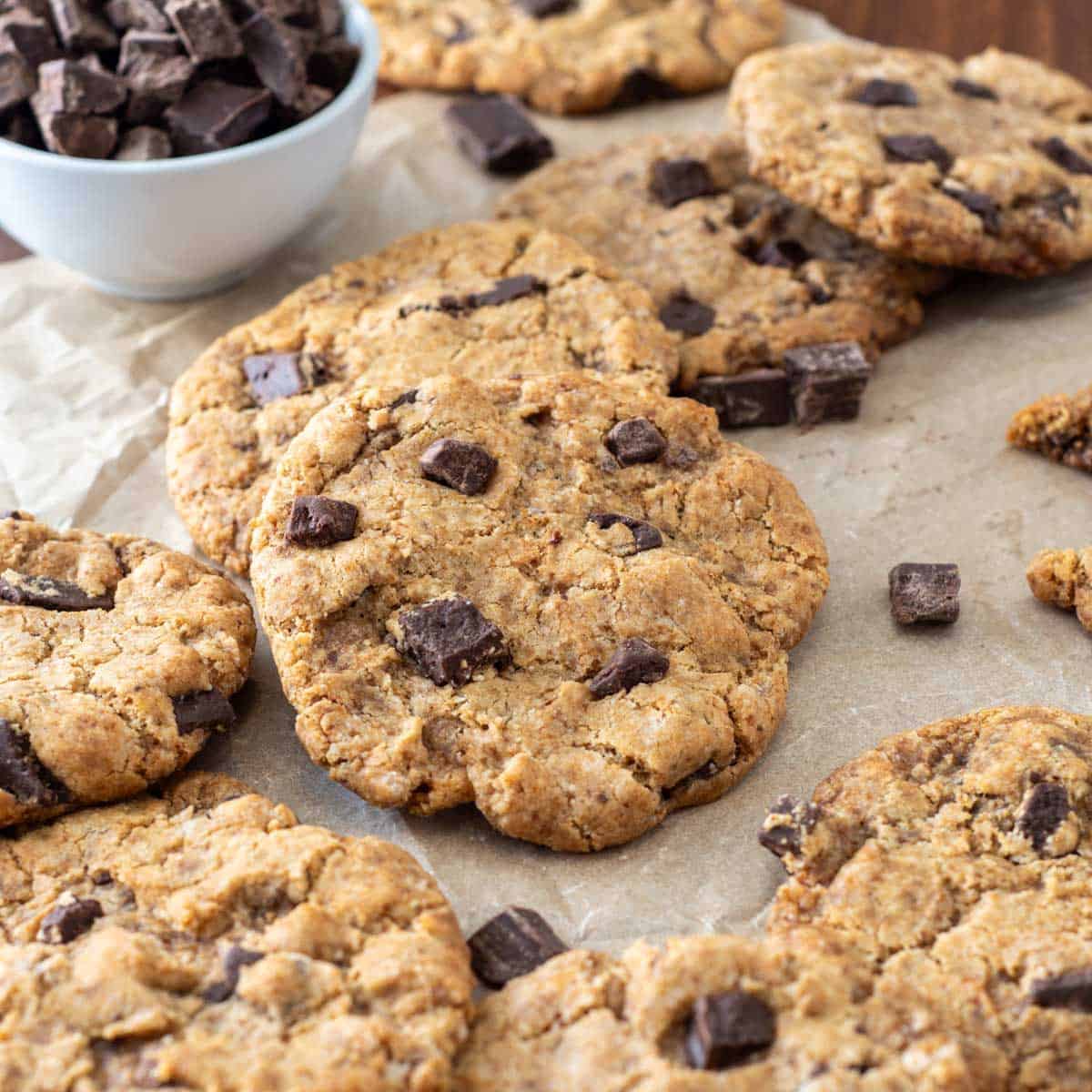
Chewy AIP Chocolate Chip Cookies {Paleo, Refined Sugar-Free}
Ingredients
Cookie Dough Ingredients:
- ⅔ cup 91 grams tapioca flour
- ¼ cup 25 grams coconut flour
- 1 tablespoon 9 grams gelatin
- ¼ cup 37 grams coconut sugar
- ½ teaspoon 3 grams sea salt
- ¾ teaspoon baking soda
- ¼ cup 45 grams palm shortening, packed or coconut oil
- ¼ cup plus 1 tablespoon 80 grams maple syrup
- 1 teaspoon pure vanilla extract
- *½ cup carob chunks/chips recipe below
Carob Chip/Chunk Ingredients:
- 1 cup palm shortening or coconut oil
- 1 cup coconut butter not oil
- ¼ cup coconut sugar or maple sugar
- ⅔ cup carob powder
- 2 teaspoons pure vanilla extract
- ¼ teaspoon sea salt
Instructions
- Preheat the oven to 350°F. Prepare a baking sheet with parchment paper for easy clean-up.
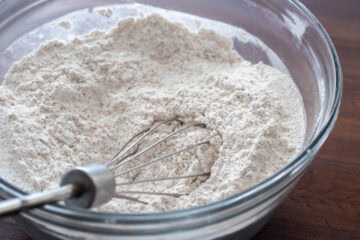
- Dry ingredient mixture. In a mixing bowl, whisk together the tapioca starch, coconut flour, gelatin, coconut sugar, salt and baking soda.

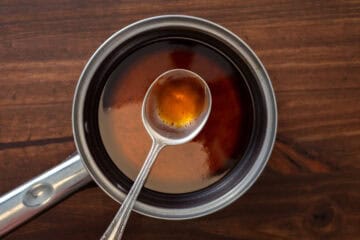
- In a small saucepan, partially melt the coconut oil/palm shortening then stir in the maple syrup and vanilla extract.
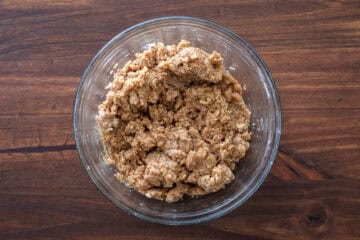
- Add wet ingredient mixture to the flour mixture and stir until well combined. Refrigerate dough wrapped in plastic (I usually just use a freezer bag).
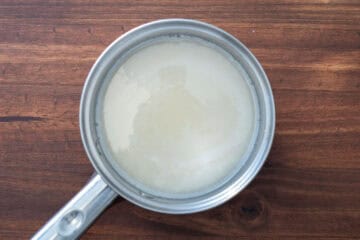
- Meanwhile, form the carob chips (if you have a silicone mold) or chunks. In a small saucepan over medium-low heat, melt the coconut oil/palm shortening and coconut butter and immediately turn off the heat so as not to burn.
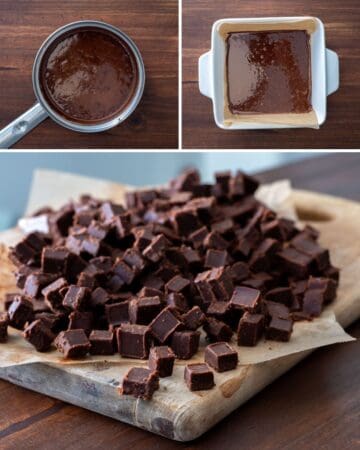
- To the oil-coconut butter mixture, add the coconut/maple sugar to the saucepan and stir to distribute evenly (note: coconut sugar will not dissolve completely). Immediately whisk in the carob powder, vanilla, and sea salt until completely combined.While the carob mixture is very warm, pour it into a silicone mold (to form chips) or pour into a parchment-lined baking dish. Transfer to the fridge or freezer. When the carob mixture is very firm to the touch, carefully remove and cut the carob bar into small chunks ¼-inch x ¼-inch. Return carob chips/chunks to the freezer until you need them.

- Divide cookie dough evenly, rolling to form 8 balls. Transfer to the prepared baking sheet then press to flatten until ¾-inch thick.
- At this point, I like to press a few large, frozen carob chunks into each cookie. Bake on the middle rack until the edges are golden brown, approximately 10 minutes. Note: AIP cookies are fragile when hot so allow them to cool before moving or serving for the best mouthfeel.*You can add extra carob chips to the tops of the cookies while they are hot. This is so the carob doesn't melt and dry in the oven. You could even put the cookies in the oven for 1 more minute if you'd like the carob to soften/melt a bit.
Notes
Nutrition
💬 I routinely make these cookies and am always observing what works and doesn't to get them just right! (Oh, the sacrifice. Ha!) Please leave me a comment and let me know if there's a question I can answer!
FAQs
This is because of the flour. It is really important to get the right amount of flour in AIP baking, which is why I provide the weights (if not able to weigh, spoon your flour into your measuring cup then level with a knife).
It's incredibly difficult to accurately measure oils that solidify at room temperature. In testing, I've found that packing the oil while soft (so between a solid and liquid state) into a measuring cup is the best way to measure. If you have a scale, 45 grams of coconut oil or palm oil work best in this recipe. If you happen to test lard in this recipe, please share how it goes for you.
This recipe only makes 8 cookies and it bakes from a cool state but not cold. If you refrigerate the dough, it will crack more when you go to flatten it into discs and you will have to increase the bake time. Here's what I recommend: If working from chilled dough, let it come to room temperature, then proceed with the baking instructions. You would be better off baking the cookies and freezing them than trying to work with the frozen cookie dough.
When the edges of the cookies have a very slight bit of golden brown color, they are done. You don't want to go far past this point or you risk the carob burning.
Check the "Ingredient" section of this post for details about substitutions that I've personally tested that work. As a general note, these cookies will not turn out if you attempt to wing it (not measure/weigh ingredients) or if you substitute major things (flours or sugars, for example). Trust me, I've tried!
More AIP Desserts
- Maple Sandwich Cookies {AIP, Tigernut Flour, Refined Sugar-Free} - festive and great even without the frosting in the middle.
- Carob Avocado Pudding {AIP, Dairy-Free, Egg-Free} - also doubles as an amazing frosting.
- Vanilla Bean Ice Cream {AIP, Dairy Free, Egg Free} - I've really been wanting to try sandwiching these cookies with this ice cream!
- Tigernut Butter Protein Bars {AIP, Paleo} - these are like Tiger's Milk bars (basically, candy bars but loaded with protein)
Shannan says
Pretty! This has been a really wonderful post.
Many thanks for providing this info.